
The digital marketing landscape has changed forever. We now live in an era of rapid transformation. In 2026, manual work is a relic of history. Efficiency is the new currency for every modern brand. To survive, you must embrace the best marketing automation tools.
I have spent years testing every new platform. Most are just flashy toys with zero real substance. However, a few select tools truly stand out now. They offer more than just simple automated email sequences. These platforms provide deep, predictive insights for your business.
They help us understand our customers on a human level. Ironically, machines are now making us more empathetic marketers. Let’s dive into my curated list for this year. These are the engines driving my personal commercial success. We will explore why these specific assets matter so much.
15 Best Marketing Automation Tools
1. HubSpot: The All-In-One Powerhouse
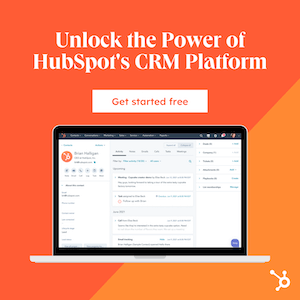
HubSpot remains the quintessential leader in the automation space. In 2026, their “Breeze AI” has completely transformed workflows. It doesn’t just suggest content; it predicts customer needs. This platform is perfect for teams seeking total synergy. It combines CRM, sales, and marketing into one beautiful interface.
I use HubSpot primarily for complex inbound strategies. Their workflow builder is incredibly intuitive and visually stunning. You can map out multi-channel journeys in mere minutes. Furthermore, their attribution reporting has reached unprecedented levels of accuracy. It is truly one of the most reliable marketing automation tools today.
Key Features for 2026:
- Generative Campaign Creation: Build entire funnels via voice.
- Predictive Lead Scoring: AI identifies high-value targets instantly.
- Unified Customer View: Data silos are officially a thing of the past.
2. Salesforce Marketing Cloud: Enterprise Excellence
When scale is your primary concern, Salesforce is king. Their Marketing Cloud is a beast of data processing. By 2026, their “Data Cloud” integration will have become seamless. It allows for real-time personalization across millions of users. Is it complex? Yes, but the power is unmatched.
I rely on Salesforce for deep data mining. Their “Einstein” AI agent handles all my segmentations automatically. This is among the heavy-hitters of marketing automation tools for corporations. If you have a massive database, look no further. The level of customization available here is truly staggering.
3. ActiveCampaign: Mastery of the Small Business
ActiveCampaign has always punched above its weight class. In 2026, it remains the favorite for agile teams. Why? Because it balances power with incredible ease of use. Their “Customer Experience Automation” focuses on the entire lifecycle. It’s not just about email; it’s about the relationship.
I love their pre-built automation recipes for quick wins. You can set up a welcome sequence in seconds. Their site tracking features are also exceptionally precise now. ActiveCampaign proves that great marketing automation tools don’t need huge budgets. It brings enterprise-level logic to the everyday entrepreneur.
4. Klaviyo: The E-commerce Specialist
If you sell products online, Klaviyo is your best friend. In 2026, their predictive churn modeling is a lifesaver. It tells me exactly when a customer might leave. Then, it automatically sends a perfectly timed win-back offer. The integration with Shopify and Magento is flawless.
Klaviyo’s strength lies in its deep data science. It treats every transaction as a vital data point. I use it to create hyper-targeted SMS and email blends. Among all marketing automation tools, Klaviyo understands retail best. It transforms raw purchase history into a goldmine of opportunity.
5. Adobe Campaign: The Creative Marketer’s Choice
Adobe Campaign is where data meets beautiful design. By 2026, its integration with Creative Cloud will be magical. You can pull assets directly from Photoshop into live campaigns. This creates a cohesive brand experience across every digital touchpoint. It is sophisticated, elegant, and incredibly robust.
I use Adobe for high-end brand storytelling. Their “Journey Optimizer” uses AI to pick the best path. Does the user prefer mobile push or email? Adobe knows the answer before I even ask. This is one of the premier marketing automation tools for designers. It elevates marketing to a true form of digital art.
6. Marketo Engage: The B2B Lead Engine
Marketo has long been the gold standard for B2B. In 2026, its account-based marketing (ABM) features are supreme. It helps me target specific companies with surgical precision. The platform excels at complex lead nurturing over long cycles. It’s built for the marathon, not just the sprint.
I appreciate Marketo for its deep technical capabilities. You can build highly specific logic gates for every lead. It integrates seamlessly with various CRM systems to align sales. When discussing B2B marketing automation tools, Marketo always leads the conversation. It turns cold prospects into warm, sales-ready opportunities.
7. Mailchimp: Beyond Simple Newsletters
Mailchimp has evolved significantly over the last decade. In 2026, it will be a full-fledged marketing platform. Their “Content Optimizer” helps me write better headlines instantly. It’s great for creators who need a friendly interface. Don’t let the cute mascot fool you; it’s powerful.
I use Mailchimp for creative newsletters and simple landing pages. Their AI-driven “Creative Assistant” designs brand-consistent graphics for me. It’s one of the most accessible marketing automation tools available. Perfect for those who want results without a steep learning curve. It makes professional marketing feel like a fun hobby.
8. Omnisend: The Multichannel Champion
Omnisend is another powerhouse for the e-commerce sector. What sets it apart in 2026 is its “One-Click” automation. You can sync email, SMS, and push notifications effortlessly. This ensures your message follows the customer wherever they go. It’s about being omnipresent but never annoying.
I utilize Omnisend to reduce cart abandonment rates effectively. Their automation flows are designed specifically for high-growth stores. Among specialized marketing automation tools, Omnisend offers fantastic value. It provides a unified dashboard that simplifies complex digital marketing. It’s truly a “set it and forget it” solution.
9. Keap: The Ultimate CRM-Automation Hybrid
Keap (formerly Infusionsoft) is built for serious small businesses. In 2026, its appointment scheduling automation is a total game-changer. It handles my bookings, reminders, and follow-ups without any manual input. It frees up my time to focus on strategy. This is about reclaiming your workday.
I especially recommend Keap for service-based businesses. Their “Easy Automations” allow anyone to become a tech pro. It ranks highly among marketing automation tools for client management. It keeps your lead pipeline organized and moving forward constantly. Keap is like having a tireless virtual assistant.
10. Pipedrive: Sales-First Automation
Pipedrive is unique because it focuses on the deal. In 2026, its “Sales Assistant” provides daily AI coaching tips. It tells me which deals need my immediate attention. The marketing side keeps the top of the funnel full. It’s a perfect bridge between marketing and sales.
I love the visual pipeline that Pipedrive provides. It makes tracking progress incredibly simple and clear. As far as marketing automation tools go, this is the most focused. It avoids bloat by prioritizing what actually makes money. If you love closing deals, Pipedrive is for you.
11. Braze: The King of Mobile Engagement
In 2026, mobile is the primary screen for everyone. Braze is the leader in managing these mobile-first relationships. It handles push notifications and in-app messages with incredible grace. Their “Liquid” personalization allows for truly dynamic content. It feels personal, not automated.
I use Braze for high-frequency mobile app engagement. It processes billions of data points in real-time. This is one of the most agile marketing automation tools today. It allows for instant reactions based on live user behavior. Braze keeps your brand right in the palm of their hand.
12. Iterable: Data-Driven Growth Marketing
Iterable is built for the modern growth hacker. In 2026, its “In-Browser” messaging is highly sophisticated. It allows me to experiment with different user paths rapidly. The platform thrives on massive amounts of first-party data. It is flexible, fast, and very scalable.
I rely on Iterable for a-b testing complex journeys. Their “Workflow Studio” is a playground for creative marketers. Among technical marketing automation tools, Iterable offers the most freedom. It doesn’t trap you in rigid, pre-defined structures. It’s a tool for those who love to innovate.
13. Zapier Central: The Glue of 2026
Zapier Central has redefined what automation means this year. It’s no longer just about connecting two different apps. Now, it uses AI agents to perform complex tasks. These agents can research, write, and execute across 6,000+ apps. It’s the ultimate connector for all my systems.
I use Zapier to link all my other marketing automation tools. It fills the gaps that other platforms might miss. If an app doesn’t have a feature, Zapier builds it. It is the invisible engine behind my entire marketing stack. Truly, it is the most versatile tool I own.
14. Pardot: The Salesforce B2B Power-Up
Pardot (now Marketing Cloud Account Engagement) is essential for Salesforce users. In 2026, its “Engagement Studio” is smarter than ever. It provides deep insights into how prospects interact with content. This allows for incredibly detailed lead scoring and grading. It’s a precision instrument.
I use Pardot for high-value enterprise lead nurturing. It ensures that sales teams only get the best leads. Among specialized B2B marketing automation tools, Pardot is remarkably effective. It creates a seamless handoff between marketing and sales departments. It’s built for teams that demand absolute data integrity.
15. Constant Contact: Reliability for Every Brand
Constant Contact has stayed relevant by focusing on simplicity. In 2026, its social media automation is surprisingly robust. It allows me to manage ads and emails from one place. It’s the perfect entry point for many new businesses. It is dependable, affordable, and very friendly.
I recommend Constant Contact for community-focused organizations. Their event marketing tools are some of the best around. As a staple in the world of marketing automation tools, it delivers. It provides the essential features without any unnecessary complexity. It’s a solid choice for consistent, daily communication.
Comparing the Top Marketing Automation Tools
| Tool | Primary Audience | Key Strength in 2026 | Price Range |
| HubSpot | Scaling Businesses | All-in-one AI synergy. | Mid-High |
| Salesforce | Large Enterprises | Massive data processing power. | High |
| ActiveCampaign | Small/Mid Teams | Best-in-class workflow logic. | Mid |
| Klaviyo | E-commerce | Predictive retail analytics. | Mid |
| Keap | Service Providers | Integrated CRM and booking. | Mid |
| Zapier | Everyone | AI-agent cross-app connectivity. | Low-Mid |
The Vital Importance of Marketing Automation Tools
Why have these tools become so critical in 2026? Simply put, the human brain cannot scale anymore. We are dealing with too many channels and segments. Therefore, marketing automation tools act as our cognitive leverage. They allow us to stay human at scale.
Furthermore, these tools provide the data we crave. They show us exactly what works and what fails. Without marketing automation tools, we are just guessing. Guessing is an expensive mistake in the modern market. Automation brings a level of scientific rigor to creativity.
Finally, they allow for 24/7 engagement with customers. Your business never sleeps when your tools are active. Marketing automation tools handle the midnight queries and Sunday leads. This responsiveness builds immense trust with your audience. It ensures that no opportunity ever falls through the cracks.
How to Choose Your Marketing Automation Tools
Selecting the right platform can feel quite overwhelming. I always suggest starting with your primary business goal. Do you need more leads or better retention? Your answer will narrow down your search significantly. Not all marketing automation tools are created equal.
Next, consider your existing technical stack for integration. Your tools must talk to each other perfectly. Seamless data flow is the lifeblood of modern automation. If a tool doesn’t integrate, it’s a burden. Check the API and native integration lists carefully.
Lastly, think about the future growth of your brand. You need a tool that can scale with you. Don’t buy a tool you will outgrow in six months. Invest in marketing automation tools that offer room for expansion. Your future self will certainly thank you for this.
E-E-A-T Principles and Marketing Automation
Experience and expertise are vital when setting up automation. You must understand the customer journey before automating it. A poorly designed workflow only alienates your loyal audience. Use your expertise to create thoughtful, helpful touchpoints.
Authoritativeness comes from consistent, high-quality communication across channels. Marketing automation tools help maintain this consistency perfectly. They ensure your brand voice remains steady and recognizable. This builds the trust that is so essential today. Trust is the foundation of every successful digital brand.
Lastly, transparency is key to modern marketing ethics. Be clear about how you use customer data. Use marketing automation tools to provide value, not just noise. Respect the inbox and the privacy of your users. This is how you build a sustainable, respected brand.
Future Trends: Marketing Automation in 2027 and Beyond
What comes after the current wave of tools? We expect even deeper integration with autonomous AI. Your marketing automation tools will soon write themselves. They will identify gaps in your strategy and fix them. We are moving toward “Self-Healing” marketing systems.
Voice and visual search will also play bigger roles. Your automation must account for how people talk to devices. Imagine an automation flow triggered by a visual search. The possibilities for marketing automation tools are truly endless. We are just scratching the digital surface.
Conclusion:
The world of 2026 demands a smarter approach to growth. By leveraging the best marketing automation tools, you gain an edge. You save time, increase revenue, and serve customers better. It’s a win for everyone involved in the process.
I hope this guide helps you find your perfect match. Don’t be afraid to run a few trials. Every business has unique needs and a specific rhythm. Find the marketing automation tools that resonate with your vision.
Remember, technology is only as good as the strategy behind it. Use these tools to amplify your unique human creativity. Build something wonderful, and let automation handle the rest. Good luck on your journey to digital excellence!

I’m Bipasha Zaman, a dedicated Content Writer with a passion for crafting clear, engaging, and impactful content. I specialize in creating blogs, and articles, that inform, inspire, and connect with readers. My goal is to deliver content that adds value, and ells stories effectively. I have worked across diverse niches, consistently delivering high-quality content that builds brand authority and strengthens online presence.