
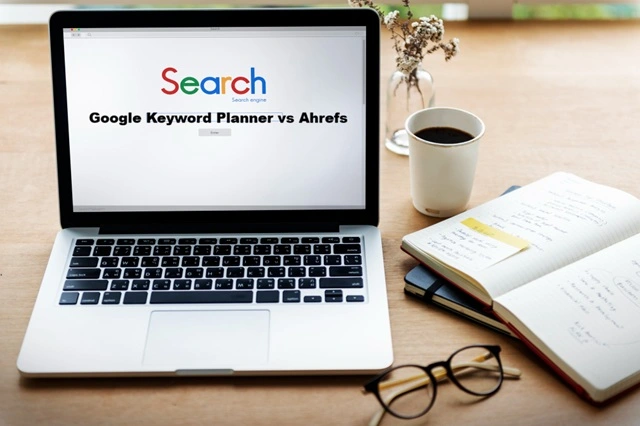
The digital landscape shifts with every single sunrise. Modern marketers constantly seek the ultimate competitive edge. Keyword research remains the bedrock of search success. Choosing the right tool is a pivotal decision. Many professionals debate Google Keyword Planner vs Ahrefs for hours. Is one truly superior to the other? Or do they simply serve different marketing goals? Let us explore these two industry giants deeply.
The Genesis of Keyword Intelligence
Every successful campaign begins with a single word. Keywords are the compass for online navigation. Without them, your content drifts in digital shadows. Google Keyword Planner emerged as a tool for advertisers. It helps businesses spend money on specific search terms. It is the primary source of search volume data.
On the other hand, Ahrefs changed the SEO game. It started as a backlink analysis powerhouse. Over time, it evolved into a full SEO suite. Now, it rivals Google’s own data in many ways. The Google Keyword Planner vs Ahrefs comparison is essential. It helps you allocate your marketing budget wisely. Let us break down the core functionalities now.
Understanding Google Keyword Planner (GKP)
Google Keyword Planner is a utilitarian masterpiece. It lives inside the complex Google Ads ecosystem. Its primary purpose is to facilitate paid advertising. However, SEO specialists use it for organic research too. It provides direct data from the search engine. This makes the information incredibly reliable for many.
The interface is clean but somewhat limited. You enter a seed phrase to get suggestions. Google then provides related terms and their volumes. But there is a catch with the data. It often groups similar keywords into broad ranges. This can frustrate those seeking surgical precision. Still, for a free tool, it is legendary.
Understanding Ahrefs Keyword Explorer
Ahrefs is a different beast entirely. It is a premium, subscription-based SEO platform. Its Keyword Explorer tool is remarkably sophisticated. It uses clickstream data to estimate search volumes. This provides a more nuanced view of user behavior. It reveals things that Google might intentionally hide.
Ahrefs provides a metric called Keyword Difficulty (KD). This tells you how hard it is to rank. Google Keyword Planner lacks this specific organic metric. When comparing Google Keyword Planner vs Ahrefs, consider this. Do you want to pay for deeper insights? Or do you prefer raw data for free? Ahrefs is built for the professional SEO strategist.
Direct Feature Comparison
To understand these tools, we must look more closely. They share goals but use different methods. Let us examine their core features side-by-side. This helps clarify the Google Keyword Planner vs Ahrefs choice.
| Feature | Google Keyword Planner | Ahrefs Keyword Explorer |
| Primary Purpose | Paid Ads (PPC) | Organic SEO & Content |
| Cost | Free (with Ads account) | Premium Subscription |
| Keyword Difficulty | Competition (for Ads) | KD Score (for Organic) |
| Data Source | Direct Google Data | Clickstream + Crawlers |
| Backlink Data | None | World-class Database |
| Search Volume | Ranges (usually) | Specific Estimates |
| Click Data | Not available | Clicks vs. No-clicks |
Data Accuracy and Search Volume
Accuracy is the holy grail of SEO research. If the data is wrong, the strategy fails. This is a major point of contention. The Google Keyword Planner vs Ahrefs debate centers here. Google provides data directly from its own servers. It is the most authoritative source for advertisers.
However, Google often “clumps” keywords together. It might show the same volume for synonyms. This obscures the true popularity of individual terms. Ahrefs attempts to solve this clumping problem. It uses clickstream data from millions of users. This allows it to unbundle those keyword groups.
The Mystery of Clickstream Data
What is clickstream data exactly? It is a record of actual user clicks. Third-party providers collect this information anonymously. Ahrefs processes this to model search behavior. It shows how many searches result in clicks. Some keywords have high volume but zero clicks. This happens when Google answers questions on the page. GKP will not tell you this vital information. Ahrefs will clearly show you the “No-click” percentage.
Volume Ranges vs. Specific Numbers
GKP often shows volume in wide ranges. You might see “10k to 100k” searches. This is very vague for a new site. To get specific numbers, you must spend money. You need an active, running ad campaign. Ahrefs shows specific, estimated numbers by default. It provides a clearer picture for budget planning. In the Google Keyword Planner vs Ahrefs battle, precision wins.
Keyword Difficulty: The Great Divider
Ranking on the first page is difficult. You need to know which battles to fight. Ahrefs provides a Keyword Difficulty (KD) score. It is a scale from zero to one hundred. A score of zero means it is easy. A score of ninety means it is nearly impossible. This score is based on backlink profiles.
Google Keyword Planner has a “Competition” column. Many beginners mistake this for ranking difficulty. It is not. This metric refers to advertiser competition only. It shows how much money people are bidding. A keyword can have high ad competition but low SEO difficulty. Confusing these two is a very common mistake.
Why KD Matters for Organic Growth
If you are a new blogger, avoid “Hard” keywords. You lack the authority to compete with giants. Ahrefs helps you find “low-hanging fruit.” These are high-volume keywords with low KD scores. GKP cannot help you find these gems easily. You would have to check competitors manually. This makes Google Keyword Planner vs Ahrefs a simple choice. For organic growth, Ahrefs is the clear winner.
Content Gap and Competitor Analysis
SEO is essentially a giant, global competition. You must know what your rivals are doing. Ahrefs shines brilliantly in this specific area. Its “Site Explorer” is a marvel of engineering. You can enter any URL to see its keywords. You can see exactly where their traffic comes from.
Google Keyword Planner allows you to “Start with a website.” It will suggest keywords based on a URL. However, it does not show what they rank for. It only suggests what you could bid on. It lacks the competitive intelligence of its rival.
The Power of the Content Gap Tool
Ahrefs has a tool called “Content Gap.” It shows keywords your competitors rank for. But it only shows those you are missing. This is a roadmap for your content strategy. It identifies missing opportunities in minutes. GKP has no equivalent to this powerful feature. When comparing Google Keyword Planner vs Ahrefs, this is huge. Competitor analysis is the heart of modern SEO.
Backlinks: The Secret Sauce of Ranking
Keywords are only half of the ranking equation. Backlinks are the other, more complex half. Google Keyword Planner does not track backlinks. It is blind to the web’s link structure. This is a massive limitation for SEO specialists.
Ahrefs possesses one of the world’s largest crawlers. It tracks billions of links every single day. It tells you who links to your competitors. You can then try to get those links too. This is called “Link Building,” and it is essential. Without a tool like Ahrefs, you are guessing. The Google Keyword Planner vs Ahrefs gap widens here. Ahrefs is a complete ecosystem for growth.
User Experience and Interface
A tool’s usability impacts your daily productivity. GKP is part of the Google Ads interface. It can feel clunky and overly corporate. There are many menus designed for complex billing. Finding the keyword tool can be a chore.
Ahrefs is designed specifically for search marketers. The dashboard is intuitive and very fast. Everything you need is just one click away. It uses beautiful charts to visualize data trends. You can save keyword lists into various folders. This organization saves hours of manual work.
Learning Curve for Beginners
GKP is actually harder for beginners to master. It uses terminology specific to the advertising world. Phrases like “Top of page bid” can confuse. Ahrefs uses clearer terms like “Traffic Potential.” It offers extensive tutorials and a helpful blog. Most users find Ahrefs easier to navigate eventually. In the Google Keyword Planner vs Ahrefs UX test, Ahrefs prevails.
Pricing: The Ultimate Reality Check
We must talk about the elephant in the room. Google Keyword Planner is essentially free to use. You just need a Google account to start. This makes it accessible to every single person. For a hobbyist, this is a perfect starting point.
Ahrefs is quite expensive for a lone creator. Their plans start around one hundred dollars monthly. For many, this is a high recurring cost. You must decide if the data justifies the price. If you manage multiple sites, it pays off. If you are just curious, GKP is better.
Is There a Middle Ground?
Some people use both tools together. They get raw volume data from Google. Then, they use Ahrefs for deeper competitive analysis. This “hybrid” approach is very common in agencies. However, the Google Keyword Planner vs Ahrefs choice remains. Most professionals eventually choose the premium power of Ahrefs.
Technical SEO and Site Audits
Keywords are useless if your site is broken. Ahrefs includes a powerful “Site Audit” tool. It crawls your website to find technical errors. It spots broken links and slow-loading pages. It identifies missing meta tags and duplicate content.
Google Keyword Planner does not offer this service. It assumes your website is already technically perfect. You would need other tools to find these issues. Ahrefs provides an all-in-one solution for health. This makes it a central hub for webmasters. The Google Keyword Planner vs Ahrefs comparison favors Ahrefs here. It looks at the “whole” website, not just words.
Search Intent and Keyword Refinement
Not all searches have the same goal. Some users want to buy something immediately. Others just want to learn a basic fact. Ahrefs helps you categorize search intent quickly. It shows the “SERP Features” for each keyword.
If you see a “Shopping” result, it is commercial. If you see a “Featured Snippet,” it is informational. GKP provides some clues through “Bid Prices.” High bids usually suggest high commercial intent. But it is a very blunt instrument for intent. Ahrefs provides a much more granular perspective.
Why Intent Is the Future of SEO
Google is getting better at understanding users. You must match your content to their intent. Ahrefs makes this process much more scientific. It shows you what Google thinks the user wants. In the Google Keyword Planner vs Ahrefs debate, intent is key. Ahrefs wins by providing psychological search insights.
Global Reach and Language Support
The internet is a global, multilingual marketplace. GKP has incredible language support across the globe. It covers almost every country where Google operates. Its international data is quite robust and reliable.
Ahrefs also supports many different countries and languages. However, its data depth varies by region. It is strongest in English-speaking markets like the US. Google’s reach is simply more native and vast. For hyper-local research in obscure regions, GKP shines. It is the direct source for localized search behavior.
Seasonal Trends and Historical Data
Search behavior changes with the passing seasons. People search for “snow boots” in the winter. GKP shows these trends over the last year. It helps you plan your marketing calendar effectively.
Ahrefs provides much deeper historical data points. You can see how a keyword performed years ago. You can track the ranking history of any URL. This reveals long-term trends that GKP might miss. When comparing Google Keyword Planner vs Ahrefs, history matters. Ahrefs allows you to see the past clearly. This helps you predict the future more accurately.
API Integration and Automation
Large agencies need to automate their tedious tasks. Both tools offer API access for developers. Google’s API is robust but can be complex. It is designed for large-scale advertising management.
Ahrefs’ API is highly prized by SEO developers. It allows for custom reporting and internal tools. Many third-party apps integrate with Ahrefs data. This ecosystem makes it very flexible for teams. The Google Keyword Planner vs Ahrefs choice depends on your stack. For custom SEO builds, Ahrefs is often preferred.
When to Choose Google Keyword Planner?
GKP is the right choice for specific users. Are you a beginner on a tight budget? Start here to learn the basics for free. Are you running Google Ads exclusively? This is your primary tool for campaign success.
Do you only need broad volume estimates? GKP will serve your needs perfectly fine. It is a reliable, no-frills tool for basic tasks. Do not ignore it just because it is free. It remains a cornerstone of the search industry. The Google Keyword Planner vs Ahrefs choice is about utility. Sometimes, simple is better for your current goals.
When to Choose Ahrefs?
Ahrefs is for those who take SEO seriously. Are you a professional marketer or a blogger? You need the competitive data it provides. Do you want to build a backlink profile? Ahrefs is the only real choice for that.
Are you looking for specific content ideas? The Content Gap tool will save you weeks. Do you need to track your daily rankings? Ahrefs provides an automated “Rank Tracker” for this. In the Google Keyword Planner vs Ahrefs battle, Ahrefs is for pros. It is an investment in your digital future.
Summary of the Comparison
Both tools are exceptional in their own right. They are not mutually exclusive for many people. Many experts use them in a complementary fashion. They get the “official” word from Google Planner. Then, they dig into the “real” world with Ahrefs.
The Google Keyword Planner vs Ahrefs debate has no single winner. It depends on your role and your wallet. If you want to pay for ads, use Google. If you want to rank organically, use Ahrefs. Most successful businesses eventually use both platforms. They provide different perspectives on the same market.
Detailed Comparison Table: Workflow Efficiency
| Task | GKP Efficiency | Ahrefs Efficiency |
| Finding Seed Keywords | High | High |
| Analyzing Competitors | Low | Very High |
| Tracking Backlinks | Impossible | Very High |
| Estimating Organic ROI | Medium | High |
| Technical Site Audits | None | High |
| Daily Rank Tracking | None | Automated |
The Future of Keyword Research Tools
Search is evolving into an AI-driven experience. Google’s “Search Generative Experience” is changing user behavior. Keywords might become less important than “topics” soon. Both tools are adapting to this new reality.
The Google Keyword Planner vs Ahrefs rivalry will continue. We will see more AI features in both. Ahrefs already uses AI to suggest related clusters. Google is integrating AI directly into the ad planner. The core of SEO remains understanding the human. Tools just help us see humans more clearly.
Preparing for the AI Era
Focus on high-quality, helpful content for your users. Do not just “chase” keywords with high volume. Use tools to find what people truly need. Ahrefs helps you find the questions they ask. GKP helps you see the commercial value there. The best strategy uses both data and empathy. Be the answer to the user’s secret problem.
Ethical SEO and Tool Usage
Remember that tools are just a means. Do not use them to spam the internet. Aim to provide real value to your readers. The Google Keyword Planner vs Ahrefs debate is technical. But great content is a human, creative endeavor.
Use Ahrefs to find honest ranking opportunities. Use GKP to understand market demand and intent. Combine these insights with your unique, personal voice. That is the true secret to long-term success. Machines provide the data; you provide the wisdom.
Conclusion: Final Verdict on the Battle
The winner of Google Keyword Planner vs Ahrefs is you. You win when you choose the right tool. For paid campaigns, stick with the Google source. For organic mastery, invest in the Ahrefs suite.
The digital world is vast and full of noise. These tools act as filters for that noise. They help you hear what the market says. Listen closely to the data they provide today. Then, build something that people will truly love. Your journey to the top of search starts now. Good luck on your path to SEO greatness!

I’m Bipasha Zaman, a dedicated Content Writer with a passion for crafting clear, engaging, and impactful content. I specialize in creating blogs, and articles, that inform, inspire, and connect with readers. My goal is to deliver content that adds value, and ells stories effectively. I have worked across diverse niches, consistently delivering high-quality content that builds brand authority and strengthens online presence.