
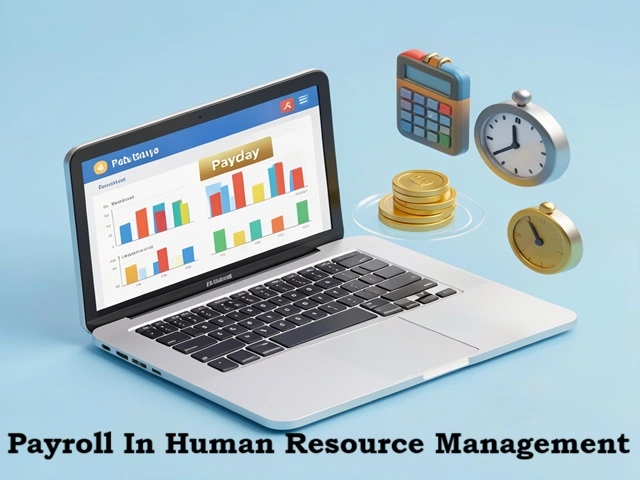
Every thriving organization depends heavily on a robust, reliable system. This ensures operational fluidity – a critical element, often overlooked. This is payroll in human resource management. It connects employees to their compensation and links effort to reward. Proper handling safeguards trust underpins financial health.
This extensive guide explores its profound depths. We dissect its multifaceted components, examine meticulous processes, and highlight its paramount importance. For any HR professional, understanding is vital, and for every business leader, insight is crucial. Embark on this journey, grasp this essential function, and elevate your organizational acumen.
What is Payroll in Human Resource Management?
At its fundamental core, payroll in human resource management denotes more. It is not just about paying employees. It involves every financial record that tracks employee compensation. This includes wages, salaries, and bonuses. It encompasses commissions, benefits, and deductions. This systematic process ensures accurate disbursement. It mandates timely payments and strictly adheres to legal norms.
HR departments oversee this intricate function. They ensure compliance and maintain employee satisfaction. It forms a crucial bridge that spans between finance and human capital. Effective payroll management impacts morale. It affects legal standing, influences fiscal integrity, and represents a complex synergy. This blends administrative tasks. Combines strategic HR objectives- a well-managed payroll reflects competence and project reliability.
Components of Payroll: Dissecting the Financial Fabric
Understanding payroll in human resource management requires grasping its parts. Each element plays a distinct role. Together, they form a cohesive whole. You can examine these vital components.
| Component Category | Key Elements Included | Brief Description |
| Gross Pay | Salaries, Wages Overtime Pay, Bonuses Commissions, Allowances | Total earnings before any deductions. Additional compensation for extra work. Incentive payments. Performance-based earnings. Special payments for expenses. |
| Deductions | Income Tax (Federal/State) Social Security, Medicare Health Insurance Premiums Retirement Plan Contributions Union Dues, Garnishments | Mandatory withholding for government revenue. Mandatory contributions for future benefits. Employee’s share of medical coverage cost. Employee investments for future security. Payments to labor organizations. Court-ordered withholdings. |
| Net Pay | Take-Home Amount | The actual amount the employee receives. After all deductions. |
| Employer Taxes | FUTA, SUTA Employer Social Security, Medicare | Federal State unemployment insurance contributions. Employer’s matching contributions for benefits. |
| Benefits | Health Insurance Paid Time Off (PTO) Retirement Plans Life Insurance, Disability | Company-provided medical, dental, and vision coverage. Vacation, sick leave, holiday pay accruals. Company contributions to employee retirement. Protection against unforeseen circumstances. |
Gross Pay:
This represents total earnings before any subtractions occur. It includes base salary or wages, adds overtime compensation, and factors in performance bonuses. Commissions and various allowances also count.
Deductions:
These amounts reduce gross pay; some deductions are mandatory. Income taxes fall here. Social Security and Medicare contributions, too. Other deductions are voluntary. Health insurance premiums qualify. Retirement plan contributions count. Union dues and wage garnishments also reduce pay. Each requires careful calculation.
Net Pay:
This is the ultimate figure as it represents actual take-home earnings. Gross pay less all deductions. This amount is deposited into accounts or paid by check. It reflects precise financial calculation.
Employer Taxes:
Businesses incur specific tax obligations. These are separate from employee deductions. The Federal Unemployment Tax Act (FUTA) applies, and the State Unemployment Tax Act (SUTA), too. Employers match Social Security. They match Medicare contributions. These represent high costs. Accurate tracking is critical.
Benefits:
Beyond direct pay, benefits matter here as health insurance coverage is common. Paid time off (PTO) accruals, too. Retirement plan contributions occur. Life insurance and disability coverage are also included. These enhance total compensation, and they significantly boost employee welfare.
Payroll Processing Steps:
Payroll processing describes the cycle. It calculates and distributes wages. It handles all necessary deductions. This ensures accurate and timely payments, involving several critical steps. Each step demands precision.
1. Data Collection and Verification
The initial phase gathers information that includes employee work hours, tracks attendance records, captures new hire data, and records termination details. Changes in pay rates are vital. Updates to employee benefits, too. All data undergoes thorough verification. Accuracy prevents costly errors. This foundational step is critical.
2. Calculating Gross Pay
With verified data, calculations begin, and gross pay is determined first. This involves multiplying hours worked. It multiplies by hourly rates, or it applies the salary amount. Overtime hours require special rates. Bonuses are added to this total, and commissions are also included here. This yields the initial earnings figure.
3. Applying Deductions (Pre-Tax and Post-Tax)
Next, all deductions are applied. Pre-tax deductions reduce taxable income. Retirement contributions often qualify. Health savings account contributions, too. Post-tax deductions apply later. These include garnishments. They include certain insurance premiums, and each deduction has specific rules. Proper classification is essential.
4. Calculating Net Pay and Employer Taxes
After all deductions, net pay emerges. This is the final amount. It deposits into employee accounts. Simultaneously, employer tax liabilities are computed. FUTA and SUTA contributions are figured. Employer portions of FICA taxes, too. These calculations are distinct. They are crucial for compliance.
5. Payment Disbursement
Funds are then distributed where direct deposit is most common. Funds transfer electronically, or Paychecks can be issued. Pay cards are another option. This step concludes the payment cycle. Employees receive their due compensation. Timeliness is always paramount.
6. Reporting and Compliance
Post-disbursement, reporting continues. Payroll data generates various reports. Internal financial statements utilize this. Government agencies require tax filings and forms like W-2s, 940s, and 941s to be generated. Strict deadlines must be met. Compliance avoids penalties, which ensures legal standing.
7. Record Keeping
All payroll records require retention, including timesheets and tax forms. It covers pay stubs and benefit elections. Laws dictate retention periods. Organized records are invaluable. They aid audits and resolve disputes. This ensures historical accuracy.
Methods of Payroll Processing:
So, organizations, right? They’ve got choices. Big ones, actually, for how they handle payroll in human resource management. Each way, you know, comes with its own good points. But, yep, also its own set of headaches. Let’s just walk through these common options, okay? See what fits.
1. Manual Payroll Processing
- What it is: This involves entirely manual calculations. I’m talking spreadsheets, maybe even old-school paper ledgers. Every single tax deduction? Figured out manually. Payments? Prepared by hand. Yeah, that kind of manual.
- The Upside: Look, it’s cheap to start. Like, no big software to buy up front. You keep total control, right there in your hands. For a super tiny business, maybe just starting? It could work for a bit.
- The Downside: Oh man, the errors! So many mistakes waiting to happen. It eats up ridiculous amounts of time, and good luck growing with this method – it just doesn’t scale. Plus, tax laws change, like, all the time. Keeping up? Forget it. High risk for compliance issues. Definitely not for growth-minded companies.
2. In-House Payroll Software
- What it is: Alright, so here, companies snag special software. It lives right on their own computer systems. This cool tech takes over calculations and manages all those deductions. Crucially, all your sensitive data stays right inside your company. That’s a big deal.
- The Upside: You get serious control. Seriously. Data security? Enhanced, because it’s all yours. Want to customize things? Often, you can, and hey, long-term, it can save you a bundle compared to paying monthly service fees. Worth considering.
- The Downside: But, yeah, you’re looking at a pretty high initial cost. Buying the software, setting it all up… that’s an investment, and you’ll need dedicated IT folks to keep it running. Plus, someone’s gotta handle all those constant tax law updates. It requires a fair bit of internal know-how, for sure.
3. Outsourced Payroll Services (Payroll Providers)
- What it is: Okay, this is when you just hand it all over. A third-party company – like ADP or Paychex, you’ve probably heard of them – takes care of everything. All the calculations, sending out payments, and filing all those taxes. Poof!
- The Upside: Compliance expertise? They’ve got it, big time. It slashes your internal workload, like, dramatically. Minimizes error risk significantly, and hey, you get access to all their fancy tech. Best part? Your HR team gets freed up for, well, actual HR stuff – strategic thinking!
- The Downside: Fair warning: you’ll pay ongoing fees. It’s a service, after all. You do lose some direct control over your data, which can feel weird. Sometimes, integrating with your other systems can be a pain. You’re pretty dependent on that external provider, you know? And customization options might be kinda limited. Just something to weigh.
4. Cloud-Based Payroll Software (SaaS)
- What it is: This is the modern way, often. You access the software online, right through your web browser. No installing anything! All your data lives securely in “the cloud.” And guess what? The provider handles all the updates. Easy peasy.
- The Upside: Super accessible, like, from anywhere, any time. Big relief on your IT department – almost no burden there. It scales up easily as your business grows, which is great. Oh, and those tax updates? Usually automatic. That’s a win.
- The Downside: But, yeah, you need internet. It just won’t work without it. Data security is largely in the provider’s hands, so choose wisely. Customization? Can be a bit locked down. You’ll pay monthly subscription fees, of course. And there’s always that slight risk of getting kinda stuck with one vendor.
5. Integrated HRIS/HRMS Systems
- What it is: Think big picture here. Payroll isn’t just standalone; it’s totally baked into a larger system. We’re talking Human Resource Information Systems (HRIS) or Management Systems (HRMS). It makes your payroll talk directly to all your HR data. So connected!
- The Upside: Data just flows, like magic. No more typing the same info in a bunch of different places – huge time saver, huge accuracy booster. All your employee info? Centralized, one place. Plus, you get killer analytics. So much insight!
- The Downside: This is a major investment, no two ways about it. Implementation? Complex, often a big project. Expect extensive training for your team. You might still need some customization down the line. And, of course, ongoing maintenance costs add up, but for a comprehensive solution, it’s powerful.
Choosing the right approach? Honestly, it’s a real evaluation. You gotta think about your business size, right now. Where are you headed? What resources do you have in-house? Weigh up the costs against all that complexity. Your real goal? Efficiency, pure and simple. Accuracy, absolutely. And rock-solid compliance. That’s what you’re aiming for.
Importance of Payroll in HR:
When we talk about payroll in human resource management, it’s easy to just think, “Oh, just paying people.” But honestly? That’s missing the whole point. It’s way more than ticking off boxes. This function? It’s like a super foundational piece. The absolute bedrock for how healthy a company truly is. No exaggeration.
Let me break it down:
1. Employee Morale and Retention:
Okay, first things first: getting paid right and on time. That’s not just a nice-to-have; it’s fundamental human trust, right? When folks see accurate, consistent paychecks, it just builds this massive foundation of faith. They feel valued, you know? Like their hard work actually means something. And honestly, that sense of fairness? It’s huge.
But mess it up? Even once? A late payment, a wrong deduction? Whoa. That creates stress. Really fast. And that stress? It breeds resentment big time. Compensation is a major reason people stick around or jump ship. A smooth, flawless payroll system actually just makes people happier. It truly helps them stay long-term. It’s that simple, but that powerful.
2. Legal Compliance and Risk Mitigation – Avoid the Legal Headaches, Trust Me.
Here’s a less fun, but super important part: the law. Payroll in human resource management isn’t just about company policy; it’s tangled up in so many complex rules. Federal stuff, state stuff, local stuff – all these tax codes? They’re like a maze, a really strict maze.
And if you slip up? If you’re not compliant? Yikes. We’re talking serious penalties, huge fines. Lawsuits, which nobody wants, and a totally hammered reputation. HR professionals? Their job here is to be like the ultimate shield. They make sure you’re sticking to every rule. They mitigate these expensive risks and literally protect the company from major trouble.
3. Financial Stability and Budgeting – Your Biggest Expense, Managed Smartly.
Ever wonder where a company’s money really goes? Often, a massive chunk? It’s payroll. Usually, it’s the single largest expense. So, getting that budgeting absolutely right? That’s not just “good practice.” It’s essential. Like, utterly essential.
Accurate payroll data? It’s not just numbers on a page. It’s intelligence. It informs all your financial planning and helps you forecast. Helps you figure out where to put your resources. If you get it wrong? Even small errors? They just ripple through your cash flow. They totally mess with profitability. Ultimately, a company’s fiscal health? It depends on solid payroll, plain and simple.
4. Data Accuracy and HR Analytics – Beyond Just Paying, It’s About Knowing.
Think of payroll as this incredible, rich data mine. It’s constantly generating information about your employees. And that data? It’s gold. It tells you so much about your workforce, reveals trends, and helps HR make truly smart decisions.
You can analyze compensation patterns. See who’s getting what, why. Evaluate how people are actually using their benefits. Get a real handle on workforce costs, all of it. Accurate data from payroll directly supports strategic HR planning. It drives informed choices. It literally optimizes how you manage your most important asset: your talent. Pretty cool, huh?
5. Reputation and Brand Image – What Does Your Payroll Say About You?
This is less about numbers and more about… vibes. Your company’s payroll practices? They’re a direct reflection of your values. It really shows how you treat your people, and ethical treatment, that matters a lot.
When you’re consistent and fair with compensation? That builds a fantastic reputation. It attracts awesome talent. People want to work for companies that do things right. It builds a positive brand. On the flip side, though, negative payroll issues? Oh, man. Those just destroy your image. They scare away good hires. They totally shatter public trust. It’s a big deal.
6. Operational Efficiency and Time Savings – Work Smarter, Not Harder, Right?
Nobody wants to waste time on admin tasks. Seriously, who does? Streamlined payroll processes? They actually save a ton of time, reduce that crazy administrative burden, and free up your HR staff. So they can actually focus on bigger, more strategic stuff. Not just paperwork.
Automation? It’s a game-changer for efficiency. It allows HR to really concentrate. Focus on initiatives that grow the business. Manual errors? Those are just time vampires. They demand corrections. All that extra work. So, efficiency from a good payroll system? It directly boosts overall productivity. It’s a win-win.
So, when you boil it all down, really excellent payroll in human resource management isn’t just nice to have. It’s like a fundamental enabler. It ensures everyone gets a fair shake, keeps you on the right side of the law, and protects your money. And honestly? It drives your entire business to succeed. Simple as that.
Payroll in HR vs Payroll Accounting: Distinct Yet Intertwined
While deeply related, payroll in human resource management and payroll accounting are distinct. They serve different primary objectives. Understanding these differences is key.
| Feature | Payroll in Human Resource Management | Payroll Accounting |
| Primary Focus | Employee welfare, compliance, data management, talent retention. | Financial record-keeping, general ledger integration, and tax remittance. |
| Key Activities | Gathering time data, benefits administration, and employee relations. | Journal entries, tax payments, financial reporting, and reconciliation. |
| Goal | Ensure fair, accurate, timely payment. Boost morale. Stay compliant. | Accurately record expenses. Report the financial position. Meet tax obligations. |
| Key Stakeholders | Employees, HR Department, Line Managers. | Finance Department, Auditors, Government Tax Authorities. |
| Data Usage | Workforce planning, compensation analysis, and benefits management. | Budgeting, financial forecasting, and tax auditing. |
| Tools Used | HRIS/HRMS, attendance systems, employee self-service portals. | Accounting software, general ledger systems, and tax preparation tools. |
| Outlook | Employee-centric, compliance-driven, strategic HR support. | Transactional, financially focused, regulatory adherence. |
Payroll Calculation: The Basic Formula
At the heart of payroll in human resource management lies calculation. A fundamental formula guides this. It transforms gross earnings and becomes net take-home pay.
Gross Pay – Pre-Tax Deductions = Taxable Gross Pay
Taxable Gross Pay – (Federal Tax + State Tax + Local Tax + FICA Taxes) = Net Pay Before Post-Tax Deductions
Net Pay Before Post-Tax Deductions – Post-Tax Deductions = Final Net Pay
Let’s break this down further.
1. Gross Pay: As discussed, this is total earnings before any reductions. It includes salary/wages, adds overtime, bonuses, and commissions.
2. Pre-Tax Deductions: These are subtracted first before income tax calculations. Examples include 401(k) contributions. Certain health insurance premiums, too. These reduce the amount and the amount subject to tax.
3. Taxable Gross Pay: This figure emerges after pre-tax deductions. It’s the amount of government taxes, including federal, state, and local taxes.
4. Income Taxes: These are withheld next that based on tax tables and based on the employee’s W-4 form. Federal and State income tax applicable. Local income tax (if applicable), too.
5. FICA Taxes: Federal Insurance Contributions Act that includes Social Security and also includes Medicare taxes. Both employee and employer contribute.
6. Net Pay Before Post-Tax Deductions: This is pay after taxes, but before other deductions.
7. Post-Tax Deductions: These are subtracted last, after all taxes are withheld. Examples include wage garnishments. Certain union dues may apply. Some insurance premiums, too.
8. Final Net Pay: This is the ultimate take-home. The amount deposited and printed on checks. It’s a precise financial outcome. Each step requires meticulous attention. Every calculation needs verification. This ensures complete accuracy.
Summing Up: The Strategic Imperative of Payroll Mastery
We have journeyed deeply and explored payroll in human resource management. It is clearly more than an administrative chore. It stands as a strategic imperative, underpins employee satisfaction, ensures robust legal compliance, safeguards financial stability, and drives organizational success. Every component, every process, holds immense weight, from gross pay calculations to final net disbursement. Each step demands precision.
The methods of processing vary greatly. Manual entry suits tiny firms. Integrated HRIS powers large enterprises. The choice impacts efficiency and affects accuracy directly. Its importance resonates profoundly. It touches morale, influences retention, and shapes brand perception. It is the unseen engine that powers the entire workforce.
Challenges certainly persist. Regulatory shifts are constant. Data errors remain threats. Cybersecurity risks loom large. Yet, proactive HR strategies conquer them. Automation is the future. AI, RPA, and blockchain technologies. They promise revolutionary changes, boost efficiency, enhance accuracy, and empower employees.
Ultimately, mastering payroll in human resource management transforms operations. It elevates human resources, moves from tactical to strategic, and becomes a catalyst. A catalyst for sustained growth. A catalyst for unparalleled excellence. Embrace this critical function, elevate your practice, and secure your organization’s future.

I’m Bipasha Zaman, a dedicated Content Writer with a passion for crafting clear, engaging, and impactful content. I specialize in creating blogs, and articles, that inform, inspire, and connect with readers. My goal is to deliver content that adds value, and ells stories effectively. I have worked across diverse niches, consistently delivering high-quality content that builds brand authority and strengthens online presence.